
Community Gardens
A guide to growing your own garden no matter where you live.
Want to start a garden in the River Region? The Wellness Coalition provides easy, step-by-step resources to help you grow fresh, healthy food on a budget. Whether you are planting a simple container garden on your porch or building a raised-bed community garden with your neighbors, you’ll find helpful videos, beginner tips, and free guides below.
About Community Gardens
Whether you have a simple pot on your porch or an empty lot in your neighborhood, starting a garden is a great way to bring people together. Gardening helps you stay active, grow healthy food on a budget, and feel a sense of pride in what you accomplish.
Gather your church group, neighbors, or family and use the information below to start your own garden in the River Region. And remember—we live in the South, so almost any season is planting season!
Grow Fresh, Save More, and Eat Healthy
In this wellness video series, learn how to grow vegetables and herbs on your porch, save money while grocery shopping, and bring everything together in 3 healthy recipes!
Part 1: Grow Fresh
Part 2: Save More
Part 3: Eat Healthy
How to Start a Container Garden
Not everyone has the land to plant a garden in the ground, but almost anyone can grow their very own garden in containers! Containers (or pots) come in many different shapes and sizes. You can find them at local hardware stores or places like Walmart.
Types of Containers
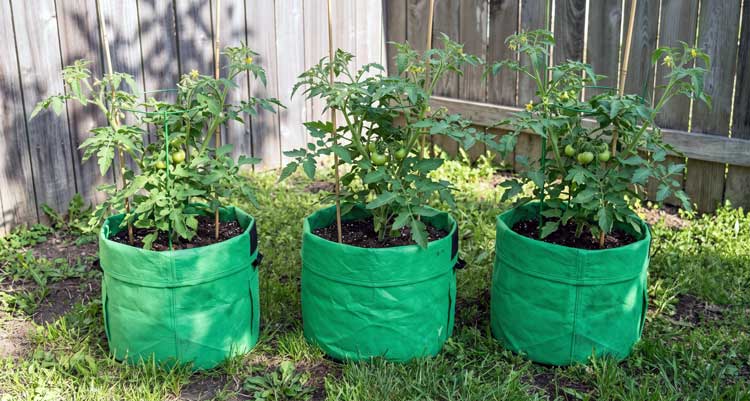
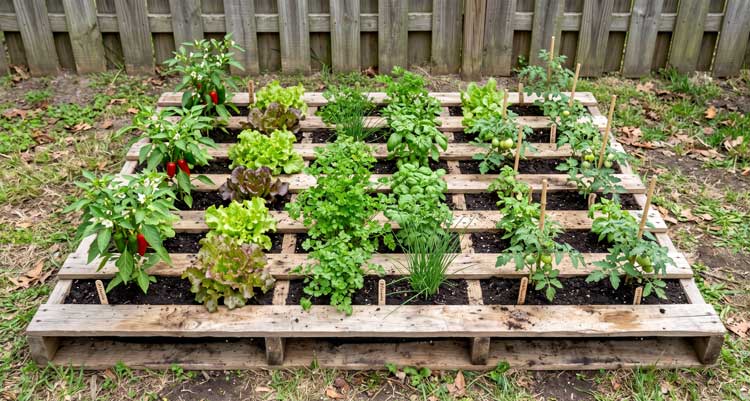
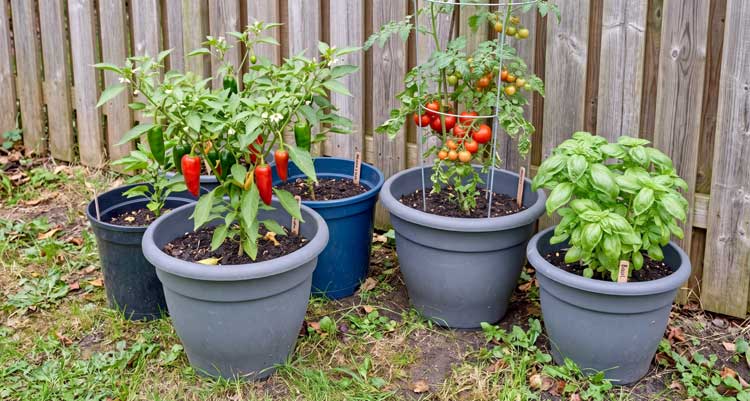
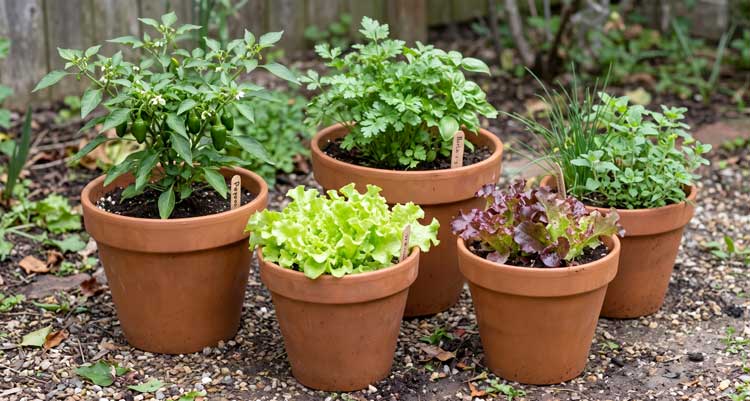
Tips for Container Gardens
How to Build a Community Garden
If you have space for raised beds and a small team to help you, this is the perfect project for your neighborhood or church! Here is what you need:
How to Build a Raised Bed
A standard 4×8′ raised bed takes a single person about 30 to 45 minutes to build, depending on experience. It may take another 50 minutes to fill it with soil. If you have up to 5 people working together, you can finish much faster! Make sure someone in your group has experience safely cutting wood, attaching brackets, hammering in stakes, and leveling boards.[Button: Download Instructions for Building a Raised Garden Bed]
Seeding and Maintaining the Garden
Planting seeds directly into the soil is the most common method for community gardens. It takes one person about 25 to 35 minutes to seed a 4×8′ bed.
Soil Testing
Testing your soil helps you know exactly what your garden needs to grow healthy food. Soil testing is available in every Alabama county. Here is how to do it:
- Use a clean, rust-free trowel to dig several holes 6 to 8 inches deep in up to 10 different areas of your future garden space.
- Take a slice of soil from one side of each hole.
- Save 1 to 2 inches of soil from the middle of the slice. Throw away the sides, top, and bottom of the slice.
- Mix all your saved middle samples in a clear container and let them dry at room temperature.
- Send your samples in for testing to find out what nutrients your soil needs.
Additional Resources
Made possible with funding from the Centers for Disease Control and Prevention.