


What is the Produce Prescription Program?
Produce prescription programs allow healthcare workers to prescribe fruits and vegetables to patients who meet specific criteria. Such patients might be those who have chronic diseases and lack access to nutritious food.
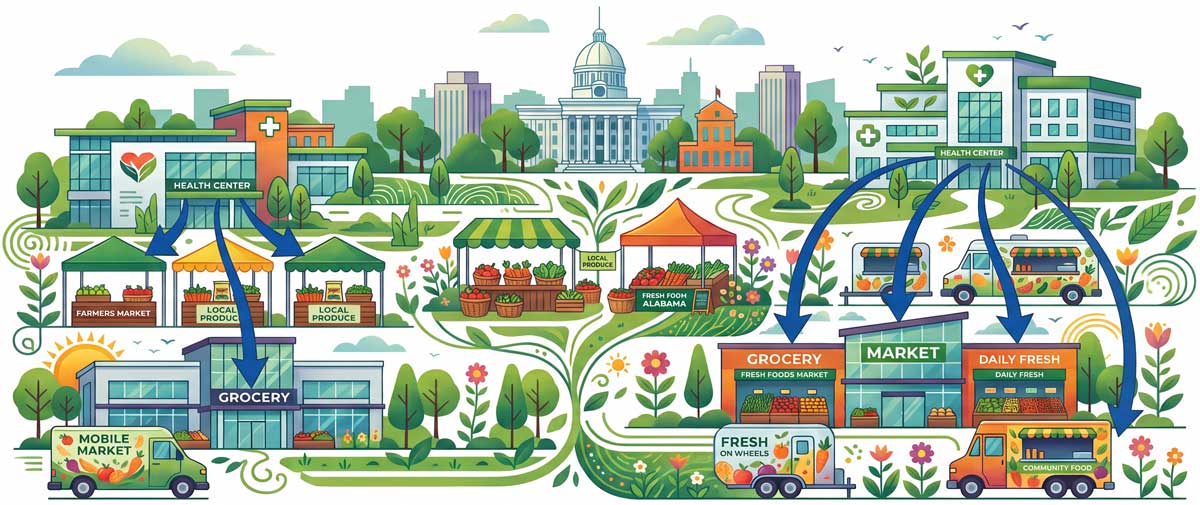
Produce prescriptions may be used in healthcare settings, local farmers markets, brick-and-mortar or online grocery stores, or mobile markets. Patients also typically receive vouchers to buy produce or receive produce.
This page answers frequently asked questions about produce prescriptions programs. These programs are evidence-based approaches to improve fruit and vegetable consumption and nutrition security.
Which Fruits and Vegetables Should be Included?
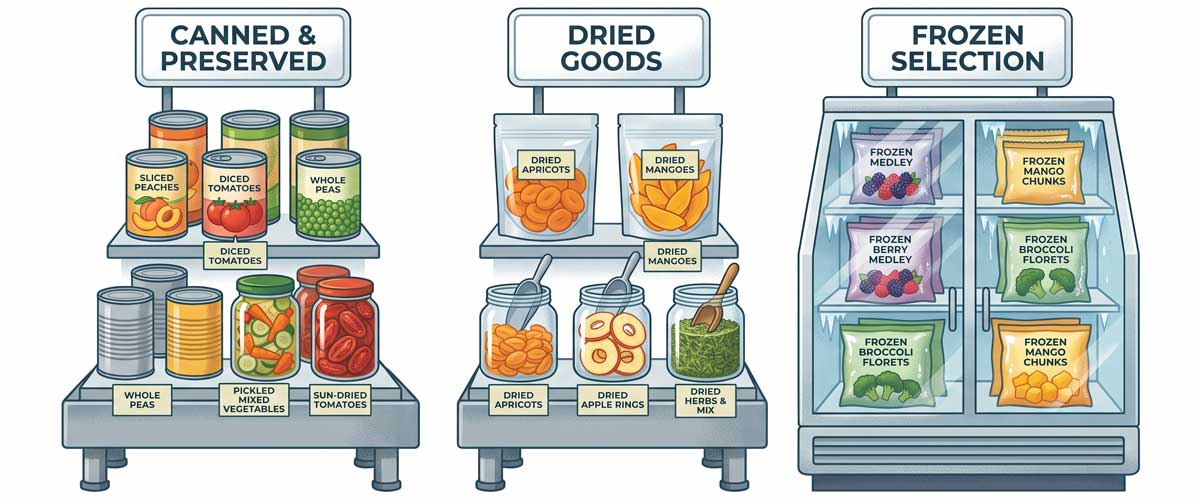
The Dietary Guidelines for Americans identifies fresh, canned, frozen, and dried fruits and vegetables as essential parts of a healthy diet. When designing or implementing these programs, consider:
Cultural preferences for certain foods
Unique medical needs that affect food choices
Nutritional value of the food
Environmental and community impact of where food is obtained
Additional Considerations:
- Community members frequently identify fresh fruits and vegetables as hard to access. Including fresh produce in fruit and vegetable programs can support local growers by connecting community members to their local and regional food system.
- Canned, dried, and frozen fruits and vegetables are often more widely available, less expensive, and have a longer shelf life than their fresh counterparts. Therefore, these forms can also be promoted alongside fresh fruits and vegetables. Encourage providing options that do not include unhealthy ingredients such as added sugars, sodium, and certain fats.
Which community food sites can work with these programs?
Food sites are places where individuals participating in fruit and vegetable programs can purchase or obtain fruits and vegetables. A variety of food sites may be part of these programs. They can include:
- Charitable food systems, such as produce distribution sites and food pantries.
- Food retail sites, such as supermarkets, grocery stores, farmers markets, mobile markets, convenience stores, and corner stores.
Site selection should include community input. Also consider the site’s capacity to stock high-quality, affordable, and culturally preferred produce. During the selection process:
- Consider sites that employ members of the priority communities being served.
- Consider partnerships with food businesses owned by members of the community.
- Ensure that the site will meet the needs of community members most at risk of food and nutrition insecurity.
- When possible, choose sites that are easy and safe to get to by walking or public transit. For example, determine whether the program refers patients to community-based sites versus providing food at a clinic or hospital.
What are some common challenges?
Community members may be skeptical of new programs because of previous experiences with other efforts to improve food access.
It is therefore important to develop fruit and vegetable programs with community input.
- Ensure recruitment and fair pay of staff from priority populations.
- Provide training, such as trauma-informed approaches, to staff and partners.
Additional operational challenges include:
- Addressing stigma, such as that of participation in these programs.
- Preventing confusion about eligibility or concerns about participation.
- Addressing information technology (IT) issues such as:
- Availability of electronic benefits transfer (EBT) equipment at point of sale (POS).
- Incorporation of incentive redemption systems, payment systems, and electronic medical record systems where applicable.
- Incorporating medical coding of screening, diagnosis of food insecurity, and payment for these programs. Keep in mind that not all insurers pay for these foods.
- Supporting business processes of participating retailers such as training needs and throughput needs of cashiers, IT systems, facilities for cooking classes, and more.