5th Annual Virtual Breastfeeding Summit
Nourishing Legacies: Building Sustainable Breastfeeding Ecosystems
Details
Date: Thursday, August 13, 2026
Time: 8:50 AM – 3:30 PM
Location: Online via Zoom (Link provided upon registration)
Cost: FREE to attend! (Optional Continuing Education Credits available for purchase)
***Thank you to everyone who attended. Join us next August for our 6th Annual Virtual Breastfeeding Summit!***
Continuing Education Credits
Are you a healthcare or support professional looking to earn continuing education credits? We offer CEUs for professionals in the following categories:
- Nursing 7.2 CEUs
- Social Work 6.0 CEUs
CEUs will cost $20. Instructions on how to claim your CEUs will be provided at the conclusion of the event. The total number of CEU hours to be given is subject to final approval by the Auburn University College of Nursing.
About the Breastfeeding Summit
Get ready for the 5th Annual Virtual Breastfeeding Summit, brought to you by The Wellness Coalition. This year’s theme, Nourishing Legacies: Building Sustainable Breastfeeding Ecosystems, focuses on creating long-term, community-centered support systems for families at every stage of their breastfeeding journey.
A truly sustainable breastfeeding environment relies on a strong “village.” When hospitals, community groups, lactation professionals, doulas, families, and workplaces team up, we ensure that mothers receive consistent, fair, and culturally responsive care. Breastfeeding support shouldn’t stop when a mother leaves the hospital. It is a continuous journey that begins in pregnancy, carries through birth, and extends deep into postpartum life and daily community activities.
Who Should Attend
This virtual summit is designed for anyone passionate about maternal and infant health:
- Moms, moms-to-be, and their support networks (partners, fathers, grandparents)
- Lactation professionals, doulas, and community health workers
- Nurses, social workers, and clinical healthcare providers
- Public health leaders, advocates, and community organizations
Summit Topics & Speakers

Emily Campbell, MPH, CHES
Alabama Healthy Kids, Healthy Future with the Alabama Partnership for Children
Casey Willis, BA, DS
Alabama Healthy Kids, Healthy Future with the Alabama Partnership for Children
Implementing Evidence-Based Breastfeeding & Infant Feeding Practices in Early Care and Education Settings: The Alabama Breastfeeding Friendly Child Care Certification
Many early care and education (ECE) programs serving children and families in Alabama are making a great impact in supporting and encouraging breastfeeding. During this session, participants will have the opportunity to learn about the Alabama Breastfeeding Friendly Child Care Certification, a program of Alabama Healthy Kids, Healthy Future, and how it equips early childhood educators with the knowledge and skills to encourage and support breastfeeding families.
Objectives:
By the end of this session, participants will be able to:
- Discuss the importance and benefits of implementing breastfeeding friendly spaces in early care and education (ECE) settings.
- Identify the evidence-based practices for creating breastfeeding friendly environments in a variety of ECE settings, including but not limited to: child care centers, family and group child care homes, and Head Start/Early Head Start programs.
- Describe the Breastfeeding Friendly Child Care Certification program, including the process that ECE programs complete to achieve certification.

Caroline Baker, MSN, RN, PMHNP-BC
Redefining Self-Care: Building Sustainable Care Practices for Professionals Serving Mothers and Infants
Professionals who support mothers and infants, including nurses, lactation consultants, doulas, social workers, and community health providers, often carry significant emotional and physical demands in their work. While self-care is frequently encouraged in helping professions, many traditional approaches fail to address the deeper emotional labor and stress experienced by those supporting families during pregnancy and postpartum.
This session challenges common misconceptions about self-care and explores why many commonly recommended strategies fall short for professionals working in emotionally demanding caregiving roles. Participants will gain insight into the impact of compassion fatigue, emotional absorption, and chronic stress on their wellbeing and their ability to sustainably support the families they serve.
Objectives:
- Identify signs of emotional overload and compassion fatigue in maternal health and caregiving roles.
- Differentiate between temporary relief strategies and sustainable self-care practices that support long-term wellbeing.
- Describe the impact of emotional labor and countertransference on professional effectiveness and personal wellbeing.
- Apply the 3Rs practical framework for recognizing, regulating, and reclaiming sustainable care practices in their work.

Beth Donaldson, RN, IBCLC
The Alabama Breastfeeding Committee
Who’s in the village? Identifying Support for Breastfeeding Moms
By the end of this session, participants will be able to:
- Differentiate between the distinct layers of a comprehensive support system and translate the abstract concept of “the village” into a practical, visible network graph.
- Formulate an active circle of care that empowers expectant parents to articulate specific needs and equips community members to deliver targeted, effective support.
- Delineate the specific roles and boundaries of professionals, family members, and friends to coordinate seamless, confusion-free care interventions.

Peter Bullock, CD
Hey Black Dad
Supporting The Fathers Who Support Breastfeeding
By the end of this session, participants will be able to:
- Understand the influence of paternal and partner support on breastfeeding outcomes, and recognize how intentional father engagement contributes to stronger family outcomes.
- Apply practical, family-centered strategies that fathers and partners can use throughout the perinatal and breastfeeding journey.
- Recognize common barriers that prevent fathers and partners from fully participating in breastfeeding education and support.
- Access resources to support fathers seeking to assist their partner through breastfeeding.

Imani Rogers, CBD, PBD
Birthing Your Purpose
Beyond Birth: The Birthworker’s Role in Advocacy, Maternal Mental Health, and Sustaining the Village
By the end of this session, participants will be able to:
- Examine the role of the birthworker (doula) as an advocate throughout pregnancy, birth, and the postpartum period, and identify how continuous support contributes to maternal empowerment, informed decision-making, and positive breastfeeding outcomes.
- Describe the relationship between birth experiences, maternal mental health, and breastfeeding success, including how emotional well-being, support systems, and early postpartum experiences can influence infant feeding goals and family wellness.
- Identify evidence-informed and culturally responsive strategies birthworkers can use to support mothers and families through breastfeeding education, emotional support, resource navigation, and advocacy across the perinatal continuum.
- Explore how doulas and birthworkers serve as trusted community partners by connecting families to lactation professionals, peer support groups, healthcare providers, and community-based resources that promote long-term breastfeeding success.
- Discuss the importance of collaborative, community-based breastfeeding support systems and examine strategies for building partnerships that strengthen continuity of care for mothers, infants, and families.
- Recognize how advocacy, culturally responsive care, and community engagement contribute to sustainable breastfeeding support systems that improve maternal and infant health outcomes across generations.
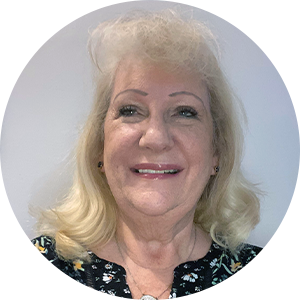
Glenni Lorick, IBCLC
Athens Limestone Hospital
Be the Difference for a Marginalized Mom: How Birth and Breastfeeding Professionals Can Transform Outcomes, One Mother at a Time
By the end of this session, participants will be able to:
- Understand the disparities faced by marginalized mothers.
- Recognize the role of non-profit community partners in helping bridge the gap for marginalized mothers.
- Have access to a low-cost tool to help marginalized mothers choose breastfeeding.